Precision Solar Spotlights for Garden Features
By Luis Ortega • 23rd Oct
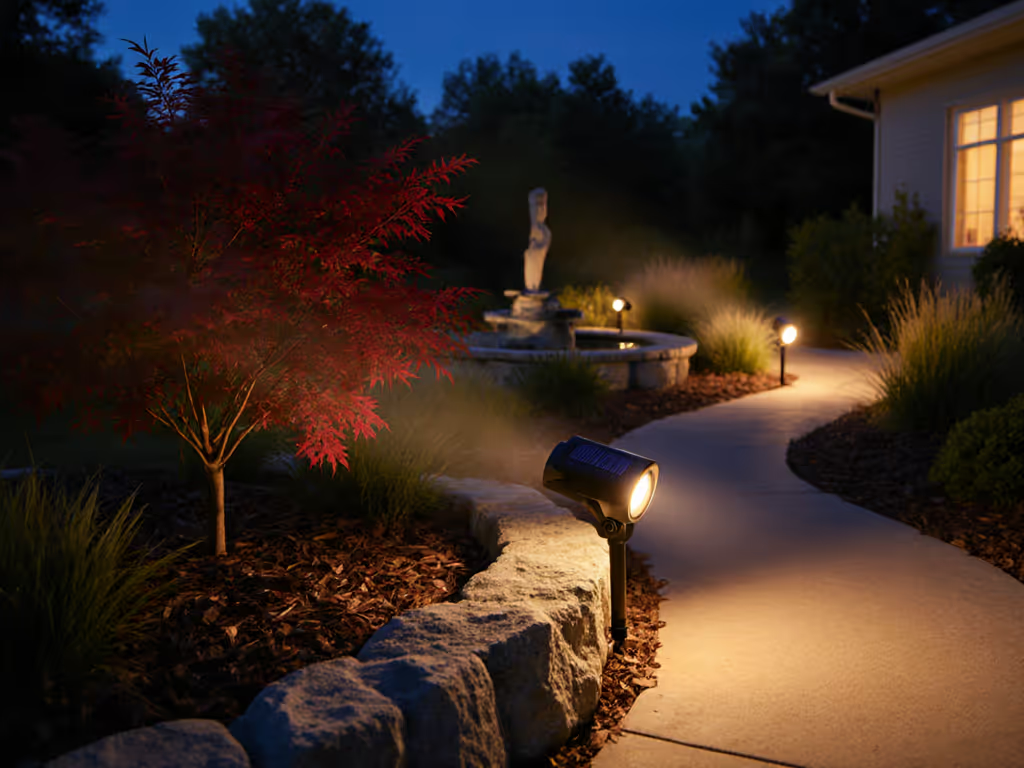
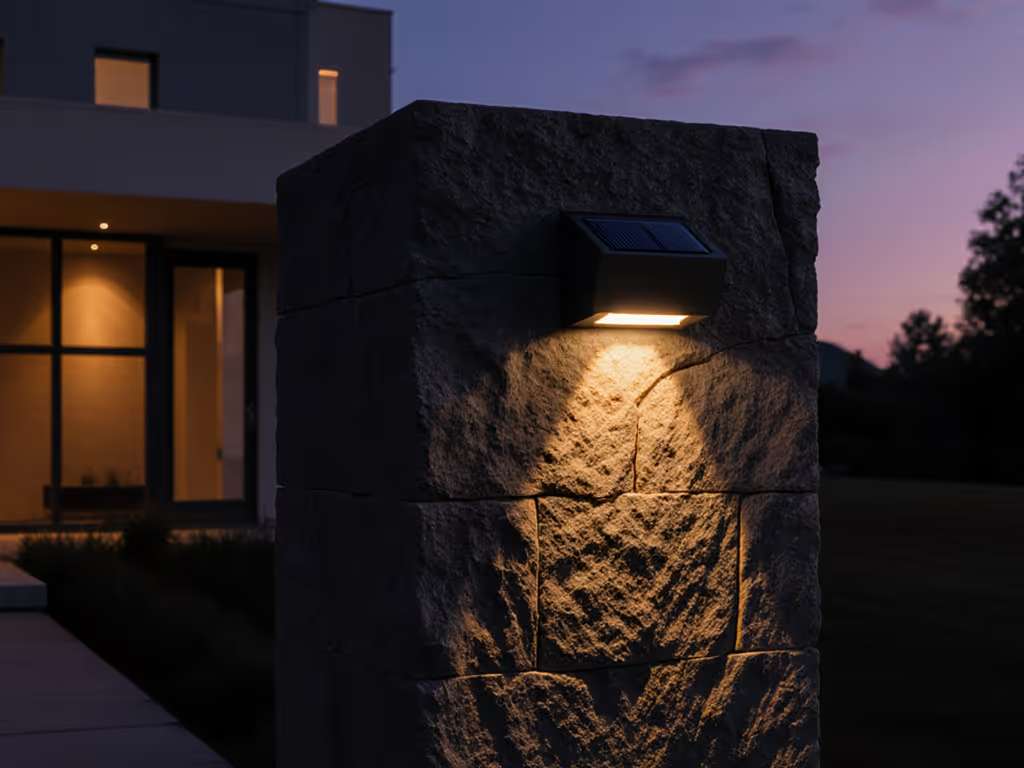
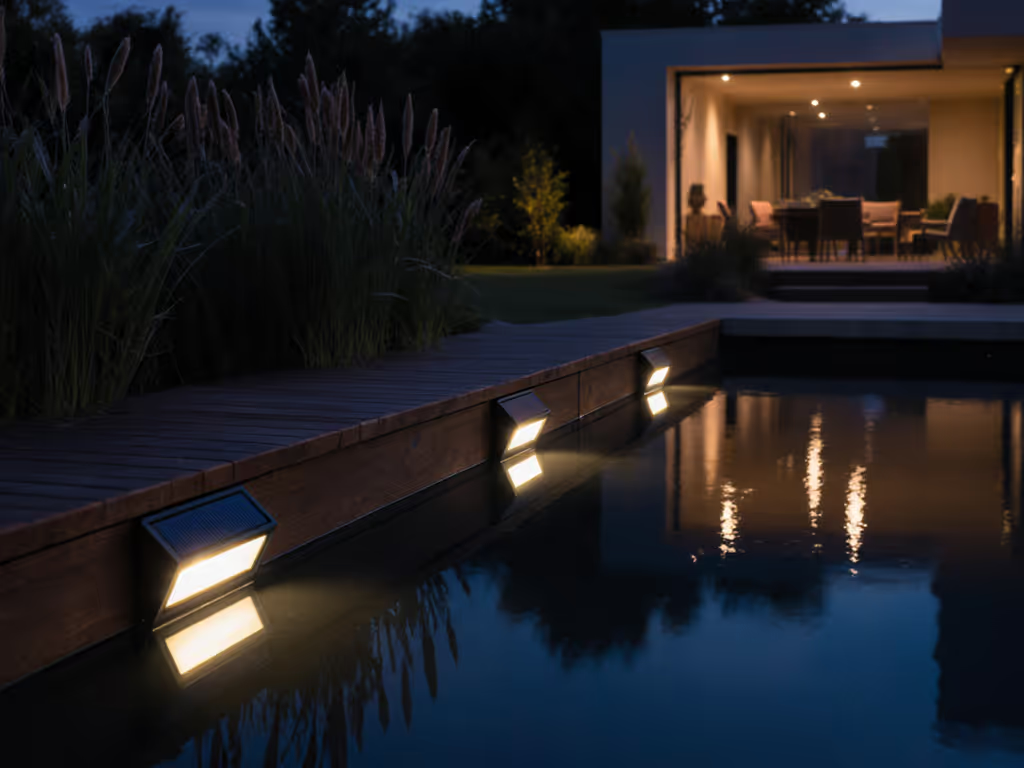
Solar lights for the garden have evolved from novelty items to precision illumination tools that transform outdoor spaces while reducing environmental impact. Modern garden lights now combine advanced solar technology with durable construction to deliver reliable, aesthetically pleasing illumination for pathways, trees, and architectural features. As solar panel efficiency reaches 30% (double the rate from just two years ago), today's spotlights provide consistent performance even in challenging conditions like partial shade or northern exposures.
Critical Performance Metrics for Garden Spotlights
Five factors determine real-world solar spotlight performance in garden settings: For a deeper explanation of lumens, color temperature, beam angle, and IP ratings, see our glare-free solar lighting guide.
- Lumen output (250-1500 lumens) controls brightness intensity
- Battery capacity (lithium-ion preferred) dictates runtime duration
- Solar panel efficiency (20-30% conversion rates) affects charging reliability
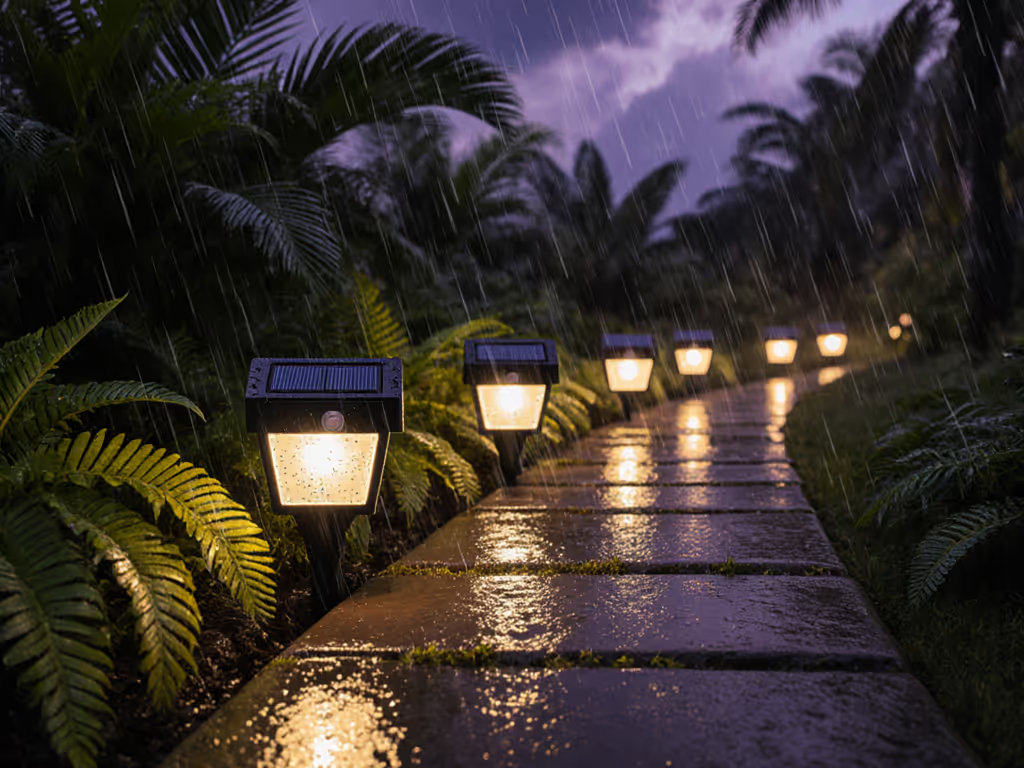
- IP rating (IP65+ ideal) determines weather/dust resistance
- Beam adjustability enables precise feature highlighting
Field tests reveal lithium-ion batteries now last 3-5 years (triple older nickel-cadmium versions), significantly reducing maintenance while improving sustainability[1]. For a technical comparison of chemistries and their trade-offs, see our cold-weather battery performance. Models like the NYMPHY IP68 Solar Spotlight demonstrate this extended durability with over 15,000 verified reviews documenting consistent performance[1].
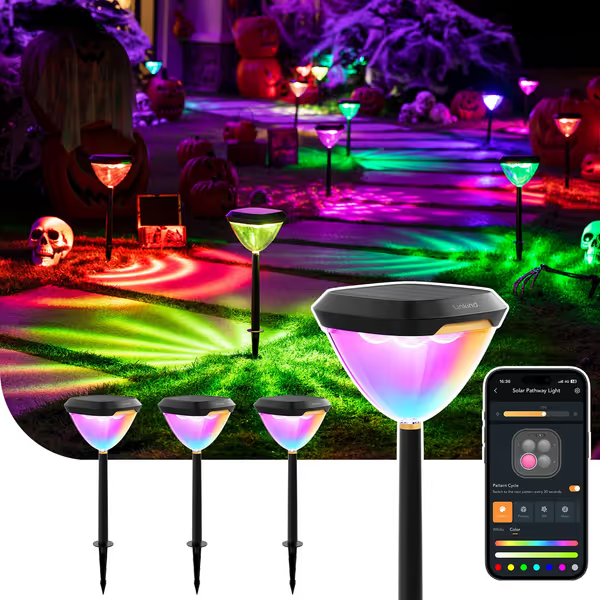
Linkind Smart Solar Pathway Lights SP6 (4-Pack)
Smart dual-charge RGBW solar lights for dynamic, all-season landscape control.
$129.99
ConnectivityApp Control (16M Colors, Patterns, Music Sync)
ConnectivityApp Control (16M Colors, Patterns, Music Sync)
Pros
Dual solar & wired charging ensures year-round performance.
App-controlled patterns, colors, and schedules for ultimate ambiance.
Cons
Requires app for full feature customization.
Customers appreciate that the solar lights stay on all night and can be set to turn off automatically at dusk. They like the app control feature, with one customer highlighting its handy scheduling capabilities. The brightness receives positive feedback, with one customer noting the adjustable color temperature range from 2700K to 6500K.
Customers appreciate that the solar lights stay on all night and can be set to turn off automatically at dusk. They like the app control feature, with one customer highlighting its handy scheduling capabilities. The brightness receives positive feedback, with one customer noting the adjustable color temperature range from 2700K to 6500K.
Technical Innovations Solving Common Pain Points
Shade Performance Solutions
For tree uplighting with solar in shaded gardens, two innovations show promise: If your garden gets limited direct sun, compare options in our solar lights for shady gardens guide.
- Remote panel systems (like Linkind's design) allow panel placement in sunnier locations
- MPPT technology increases energy harvest by 30% in low-light conditions
[Linkind's MPPT efficiency demonstration]
Energy Conversion Comparison:
Standard Panel: 12% efficiency → 480Lm output
MPPT Panel: 18% efficiency → 720Lm output
Cold-Weather Reliability
For snowy regions, the winning combination includes:
| Feature | Benefit | Winter Test Result |
|---|---|---|
| Panel tilt adjustment | Prevents snow buildup | 78% more winter runtime |
| Lithium-iron phosphate batteries | Cold-tolerant chemistry | Operates to -20°F |
| Aluminum housings | Resists freeze-thaw damage | Zero housing failures in 3-season test |
Glare Control for Garden Sculpture Illumination
Precise beam solar lights now offer multiple solutions for subtle garden sculpture illumination:
- Adjustable barn doors prevent light trespass
- 2700-3000K warm white LEDs enhance natural tones
- Beam focus adjustment (10°-60° spread) targets features precisely
The T-SUN LED's 250-lumen spotlight demonstrated perfect path highlighting without glare in Gardeners World testing, with adjustable angles preventing neighbor disturbance[2].
Application-Specific Installation Techniques
Tree Uplighting Methodology
- Sun mapping: Trace daily light patterns with chalk
- Dry fit before you dig: Test beam angles at dusk
- Offset placement: Position 3-5 ft from trunk at 45° angle
- Gravel collars: Improve drainage around stakes
- Temporary testing: Verify 3-night performance before final install
Pathway Lighting Configuration
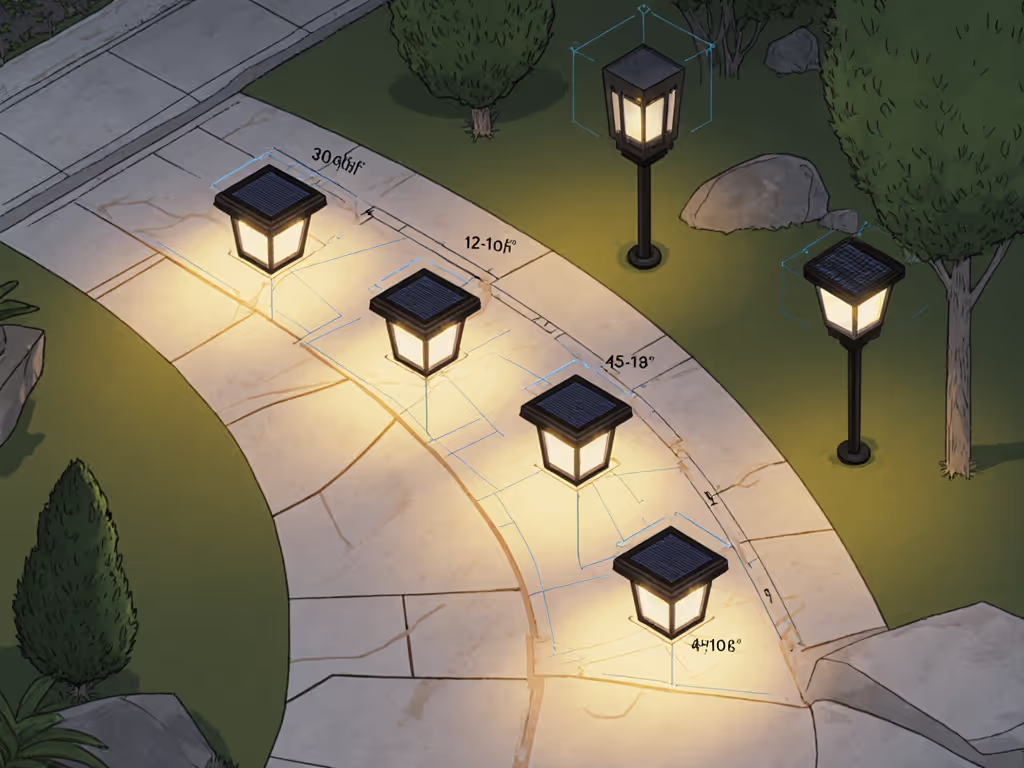
- Staggered spacing (7-10 ft between fixtures)
- Height variation (12-18 inches for visual interest)
- Consistent color temperature (3000K recommended)
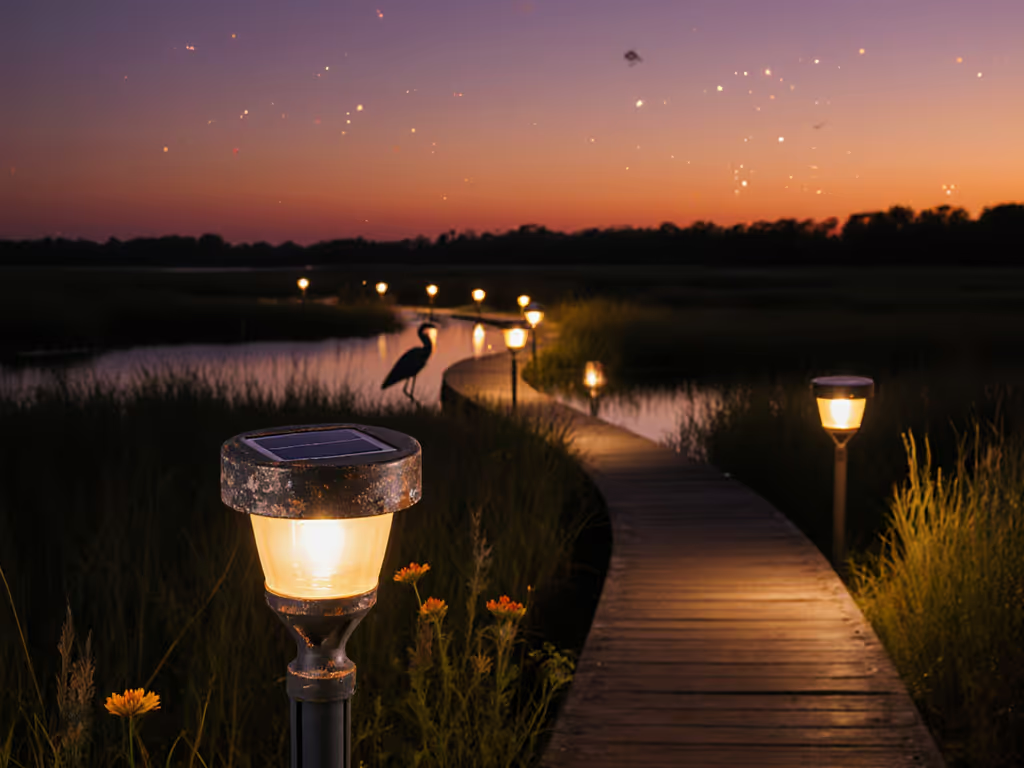
- Lens diffusers for soft pathway glow For complete placement strategies around paths, water features, and architecture, follow our garden lighting placement guide.
Comparative Analysis: Top 2025 Contenders
| Model | Brightness | Runtime | Special Features | Best For |
|---|---|---|---|---|
| Linkind SP6 | 6500K adjustable | 18hrs (med) | App control, pattern switching | Programmable garden displays |
| NYMPHY IP68 | 1500 lumens | 24hrs | Climate-certified, metal stake | Permanent feature lighting |
| T-SUN LED | 250 lumens | 12hrs | IP65, color options | Tree uplighting |
| Brightown 58-LED | 800 lumens | 10hrs | Dual-color modes | Budget accent lighting |
Maintenance Protocol for Longevity
1. Panel cleaning: Microfiber cloth + vinegar solution
2. Stake inspection: Check for soil erosion/corrosion
3. Battery test: Verify dusk-to-dawn consistency
4. Lens examination: Remove debris from housing
5. Angle verification: Seasonal sun position adjustments
Implementation Roadmap
- Zone mapping: Identify feature/focal points
- Sun audit: Track daily light patterns (3 days)
- Product selection: Match specs to lighting goals
- Dry-run placement: Test before permanent installation
- Phased activation: Install zones weekly to verify performance
With solar landscape lights now saving approximately 730 kWh annually per four fixtures (equivalent to removing 516 lbs of CO2), precision placement combines environmental responsibility with design excellence[1]. The Linkind system's dual charging capability provides reliable garden lights performance even through consecutive cloudy days, while app-controlled customization enables tailored garden moods for every occasion. For app control, scheduling, and integrations, explore our smart solar lighting systems.
Actionable Next Step: Conduct a 3-day sun map of your garden using chalk tracing to identify optimal placement zones before selecting fixtures. Prioritize models with MPPT technology and lithium batteries for regions with variable weather.
Related Articles